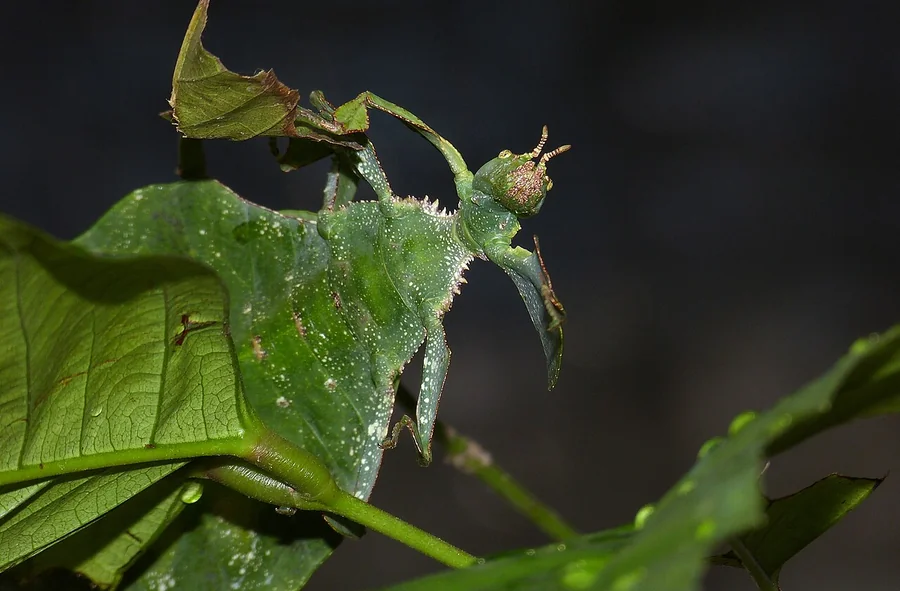
Leaf Insect — A Leaf with Legs
Leaf insects · family Phylliidae
A flattened body and leaf-like legs make an insect resemble part of a plant.
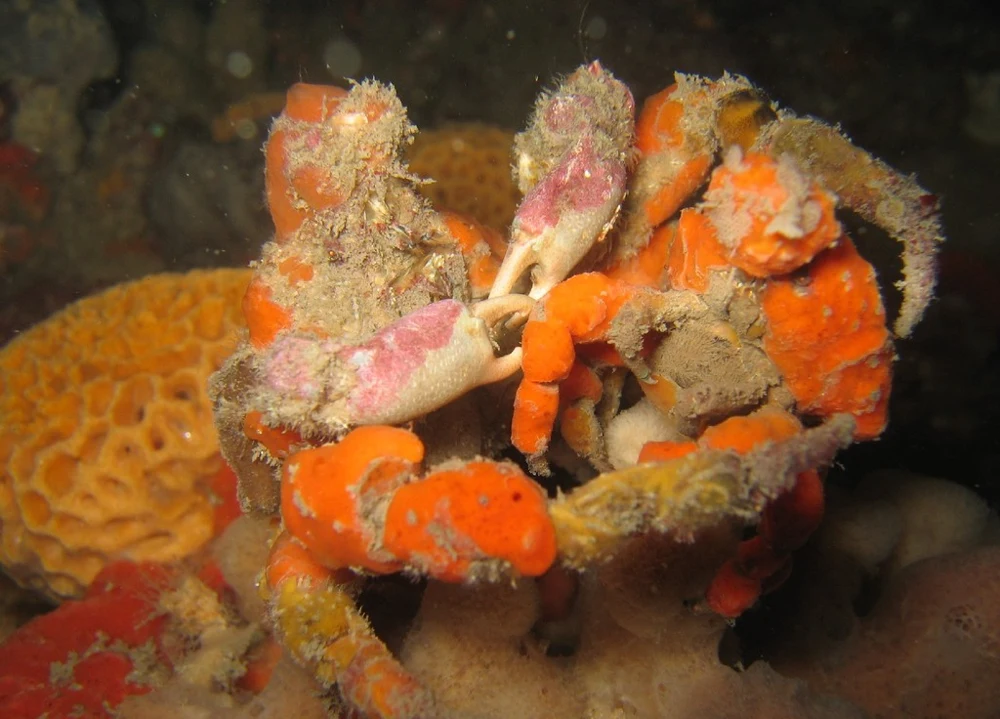
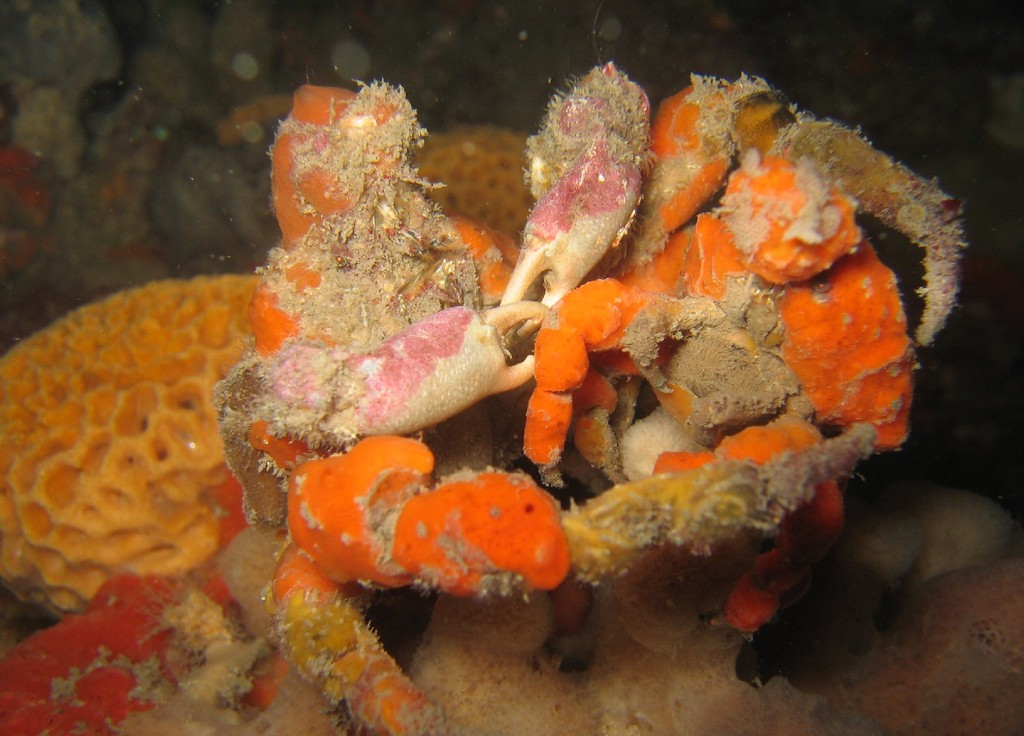
A crab borrows living cover from its habitat instead of relying only on its own colour.
Look for jointed legs beneath the orange and pale covering. Try to distinguish crab body from the organisms covering it.
Richard Ling
Original file & attribution · CC BY-SA 2.0
This locally stored image is a Wikimedia Commons rendition (resized or rendered from the source file). The full original is linked from the source record. Gallery previews may be resized or converted to WebP; animated previews show the first frame.
Download imageA crab borrows living cover from its habitat instead of relying only on its own colour.
Look for jointed legs beneath the orange and pale covering. Try to distinguish crab body from the organisms covering it.
Added material masks the body’s outline and can make the shell resemble its surroundings. This is camouflage by self-decoration: cover is attached to the body rather than produced by changing skin pigment.
A flattened body and leaf-like legs make an insect resemble part of a plant.
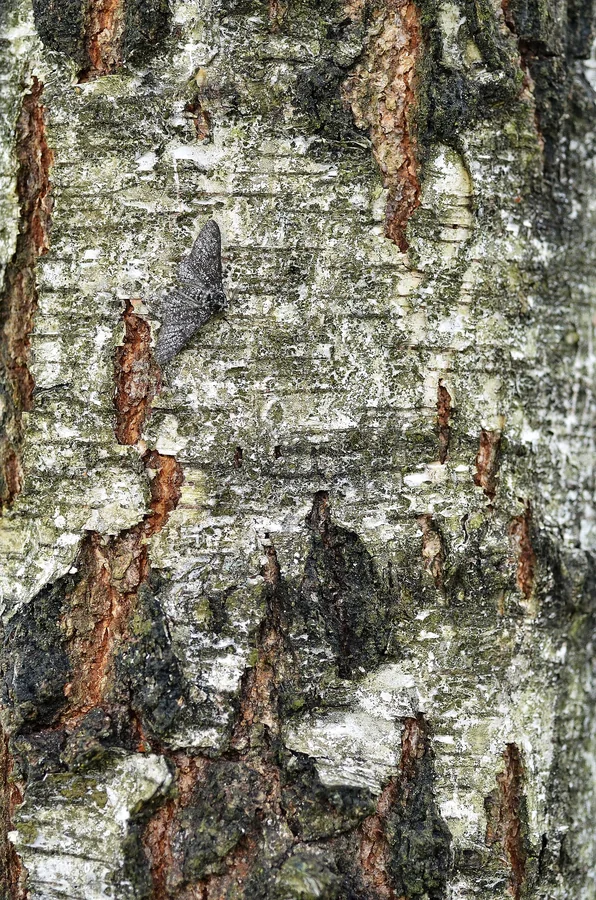
Speckled wings repeat the tones and texture of tree bark.
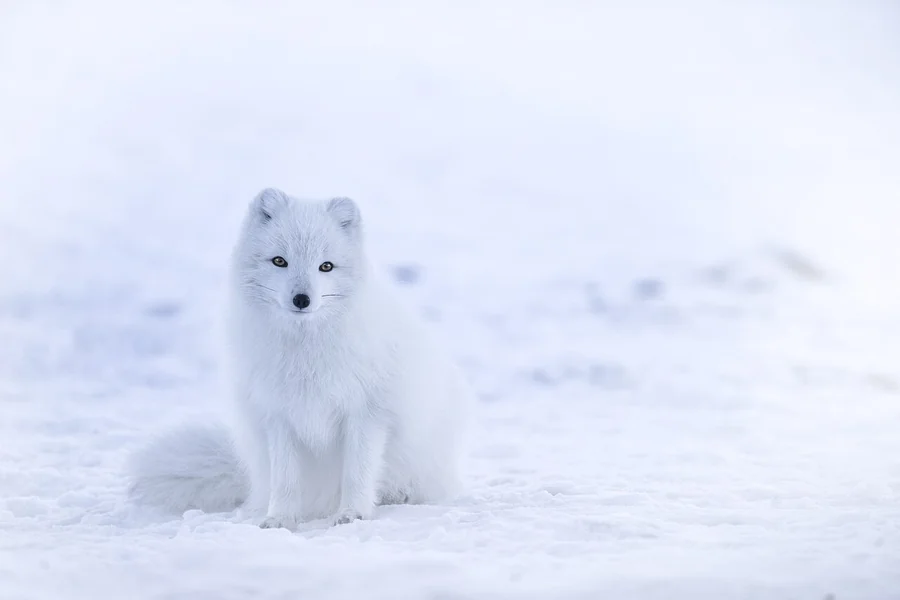
A winter coat makes a white fox difficult to separate from snow.