Transmission holography — Optical Interactions
Gary Fisher · Optical Interactions
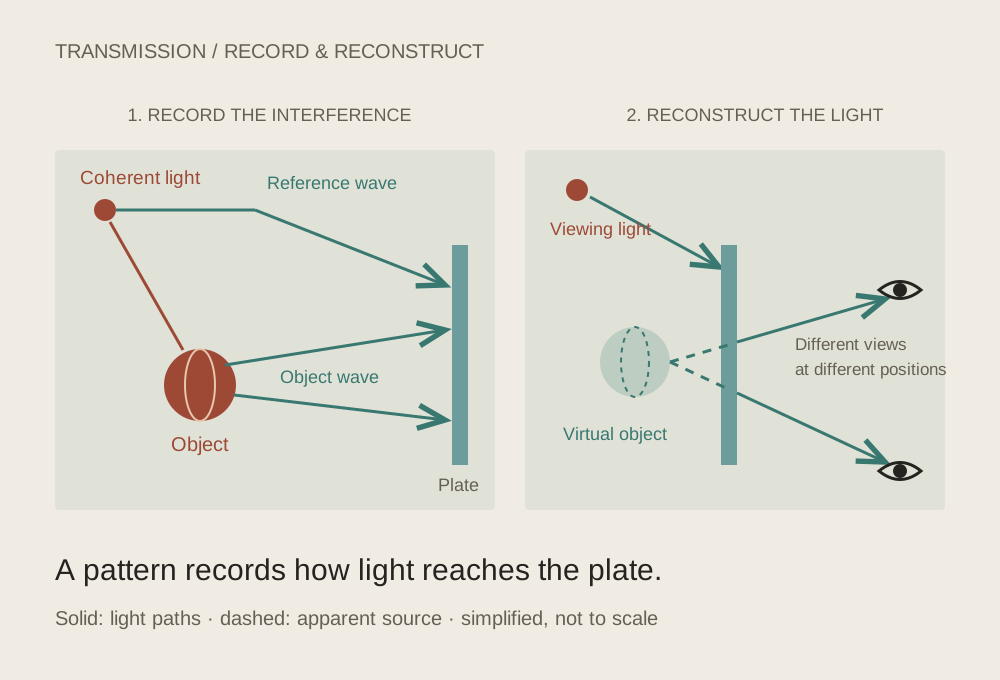
A flat glass plate reconstructs light from a still life. Move sideways and the objects reveal a different view, as though you were looking through a window.
Watch 555 KUBIK on the project page ↗
A building seems to fold, open or gain impossible depth. Precisely aligned projected images turn its real façade into a moving trompe-l’œil.
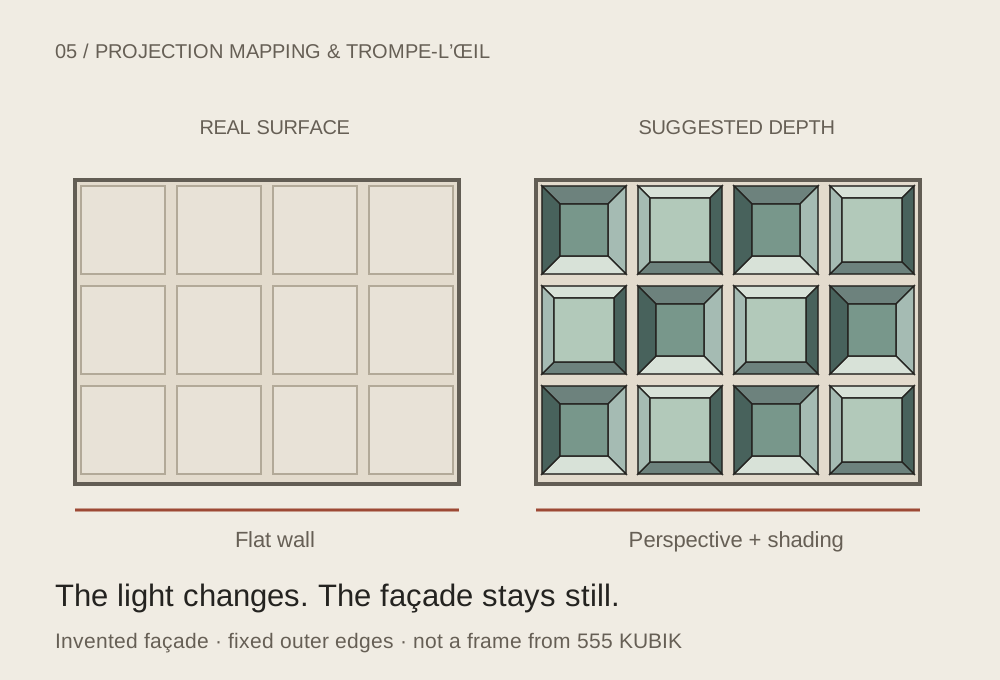
Watch URBANSCREEN’s 555 KUBIK film. Follow the building’s fixed edges while the apparent volumes change. Compare the real surface with the invented depth in the diagram: the light changes, while the wall stays still.
Through Mirror · original explanatory diagram
Original file & attribution · CC0 1.0
Original explanatory diagram created for Through Mirror. It illustrates the optical principle and is not a photograph of a performance or installation. Gallery previews may be resized or converted to WebP; animated previews show the first frame.
Download imageA building seems to fold, open or gain impossible depth. Precisely aligned projected images turn its real façade into a moving trompe-l’œil.
Watch URBANSCREEN’s 555 KUBIK film. Follow the building’s fixed edges while the apparent volumes change. Compare the real surface with the invented depth in the diagram: the light changes, while the wall stays still.
Mapping aligns projected imagery with the shape and position of a real surface. Masks and image warping let the light follow corners, panels and openings. When the content adds convincing perspective, highlights, shadows and motion, it can suggest new volumes or moving structures: a projected form of trompe-l’œil, meaning ‘deceive the eye’. The strongest depth effect may depend on the intended viewing position.
A flat glass plate reconstructs light from a still life. Move sideways and the objects reveal a different view, as though you were looking through a window.
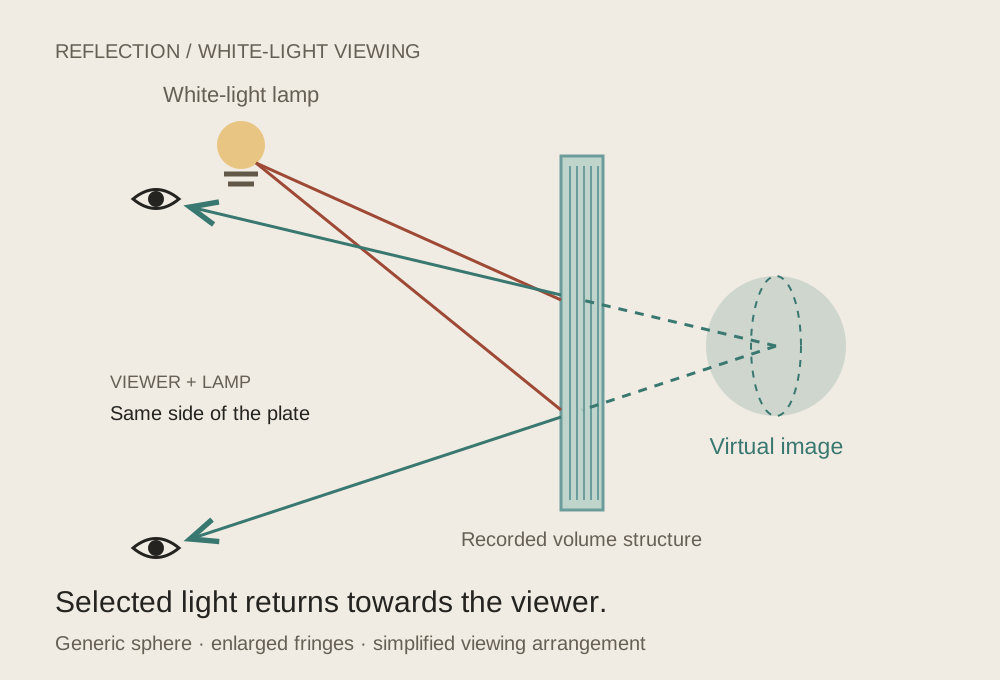
A lamp illuminates a flat plate and an image appears to occupy depth. The light returns towards the viewer from a recorded structure inside the holographic material.
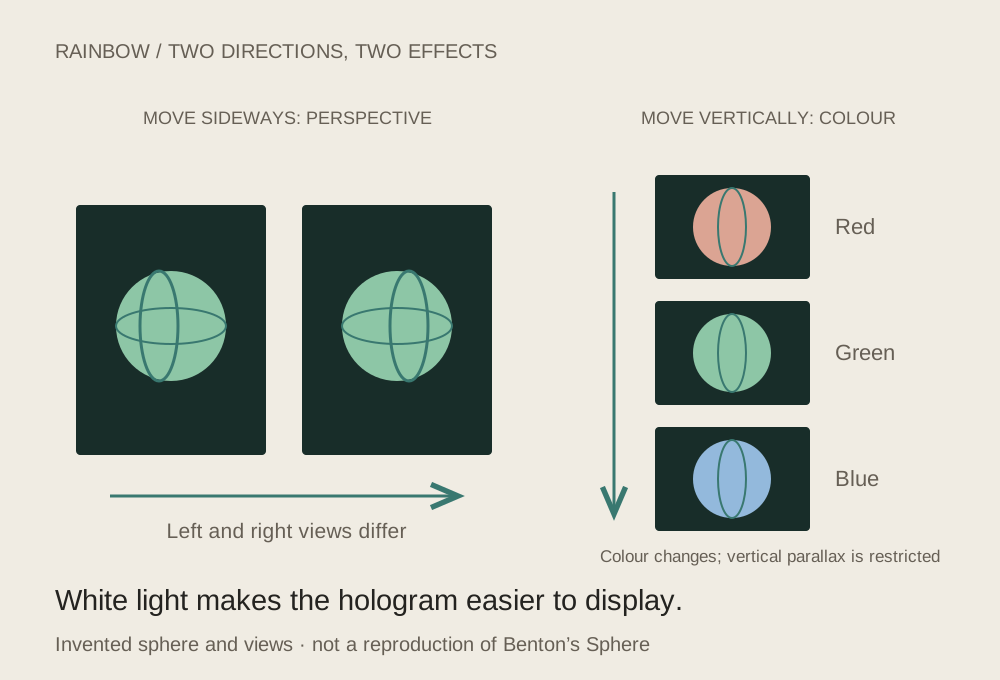
A hologram becomes visible in ordinary white light. Move sideways to explore depth; move vertically and its colour changes through the spectrum.